

Family-Owned Since 1900
Authenticity in Every Drop
Catania Oils is the trusted supplier of plant-based oils for every scale of business. From authentic olive and vegetable oils to avocado and specialty blends, we pair proven quality with responsive service, market insight, and packaging that fits your operation.

Partnership First
More than a Supplier, a True Partner
We bring market insights, risk mitigation, and uncompromising quality to every relationship, treating your business like our own.

Certainty With Every Order
Direct relationships across 30+ countries and meticulous records mean you know the origin, the specs, and the “why” behind every oil we ship.
Our Sourcing
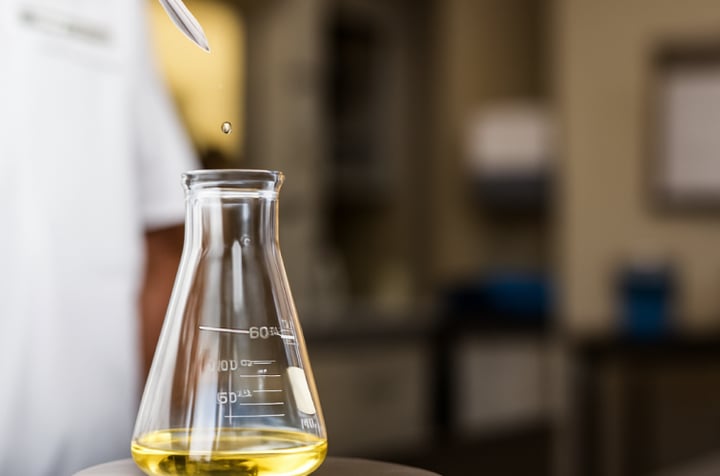
Proven Credibility, Down to the Detail
AOCS-certified chemists validate each lot in our in-house lab and verify through external partners. Retained samples for two years support total traceability.
Our Quality Assurance
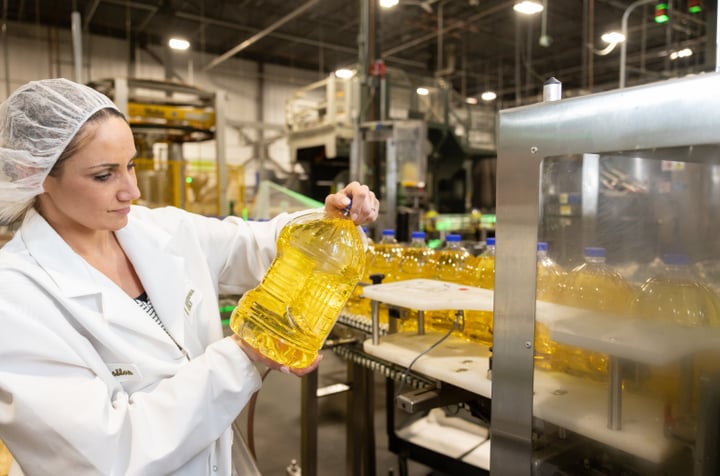
Standards for Discerning Consumers
Non-GMO Project Verified, USDA Organic, RSPO, Kosher, and more. Real certifications, current audits, and documentation ready for your files.
Our Certifications
Built Around You
We Fit Your Business
We support manufacturers, chefs, retailers, and makers testing their first recipe and coordinating national distribution alike. Whatever your stage, we match your specs, volumes, and timelines with direct access to our experts.
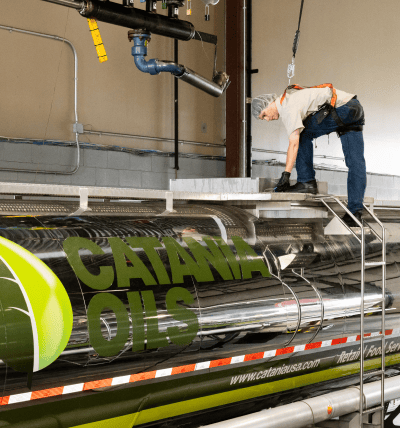
Bulk Buyers
We move oils by the tote, drum, and tanker to give food producers and major distributors a steady supply. Our team helps you forecast demand, manage risk, and keep production on schedule.
How We Support Bulk Buyers

Foodservice
QSRs, chains, and concessions love our high-performance fry oils, olive oils, and blends. Right-sized packaging and responsive support keep back-of-house running smoothly.
How We Support Foodservice
.webp?length=720&name=OO-bottle-FS-lifestyle-landscape-cards%20(1).webp)
Retail
Shelf-ready olive, vegetable, and specialty oils with strong consumer appeal. From 3/8-oz packets to 3L bottles, we’re built for scale.
How We Support Retail

Private Label
Build your own brand with confidence. Our reliable, consistent, premium oils and flexible packaging options ensure your label stands out across every SKU.
How We Support Private Label

Soapers &
Small Business
Small Business
We've got you covered for base oils for soapmaking or specialty oils for your early-stage food business. Order one or a few large containers through our online store.
How We Support Entrepreneurs
Why Catania Oils
What Sets Us Apart
Four generations in, we still lead with expertise, integrity, and a service mindset you can feel.
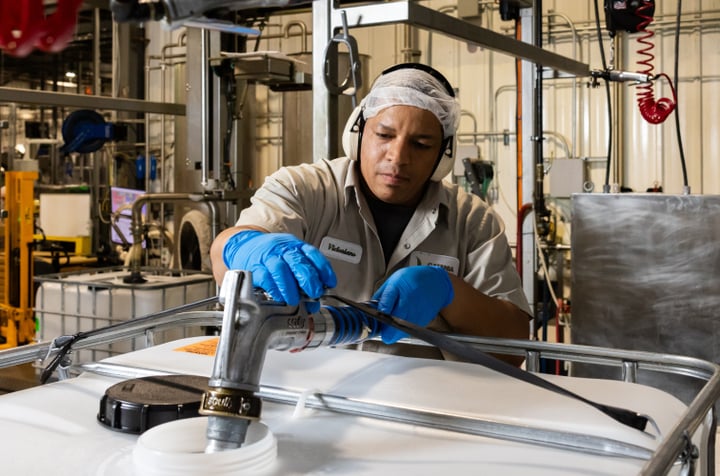
Sized to Fit,
Built To Scale
Built To Scale
From 8-oz bottles to 8-ton shipments, choose packaging that matches your operation today and grows with tomorrow’s plans.
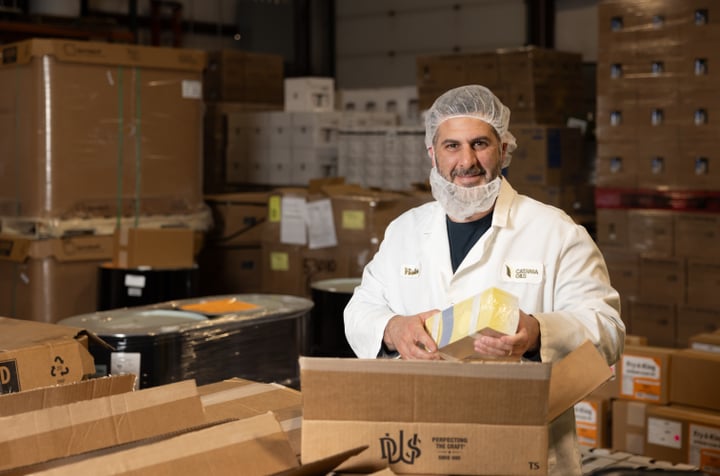
Consistency
Across Locations
Across Locations
National chains and manufacturers count on uniform flavor and performance across sites, lots, and seasons, batch after batch.

Big Capability,
Hands-On Care
Hands-On Care
We're dedicated to top-of-the-line oils, blending, and QA, paired with the direct access and responsiveness only a family company delivers.

Market Expertise,
Real Guidance
Real Guidance
We share pricing trends and supply signals so you can mitigate risks and buy smarter. Subscribe for updates or talk with our team one-on-one.
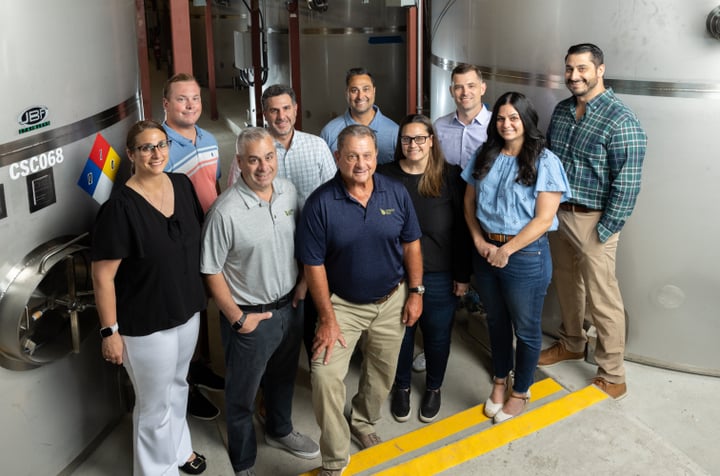
Relationships That Last
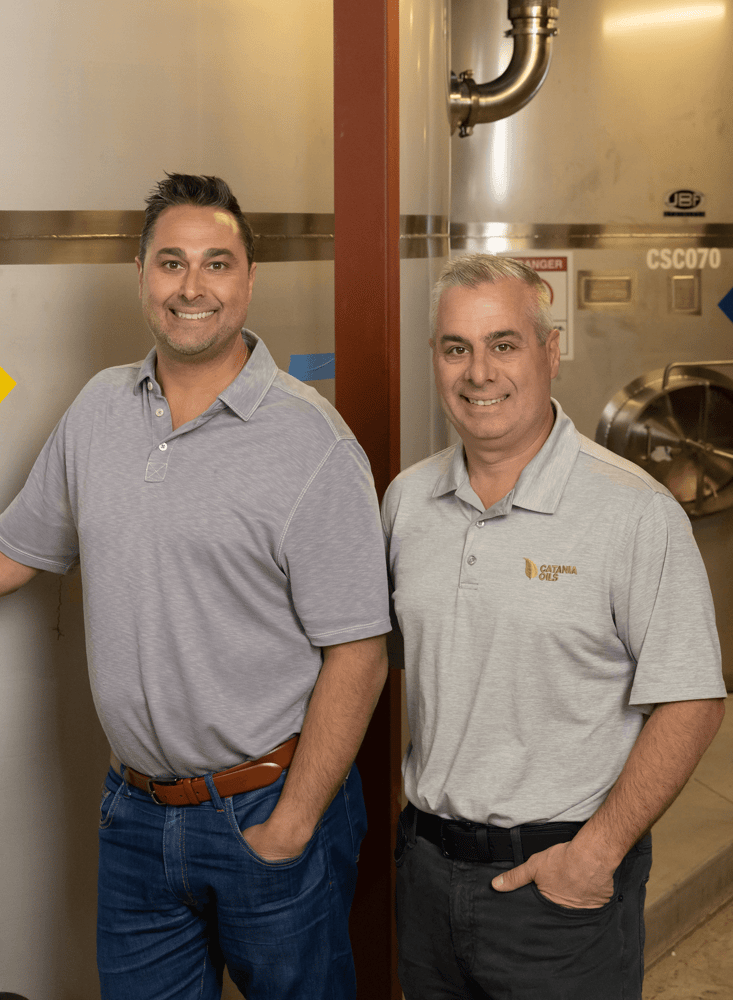
"We are Family” is more than a core value, it’s how we live. Visit our facility, see our integrity in action, and join a community that treats your business like our own.
Let’s Partner
Here to Help You Grow
Startup batches, national supply, and everything between. Get the oils, insights, and partnership that keep your business moving.